How do flash dryers work

How do flash dryers work?

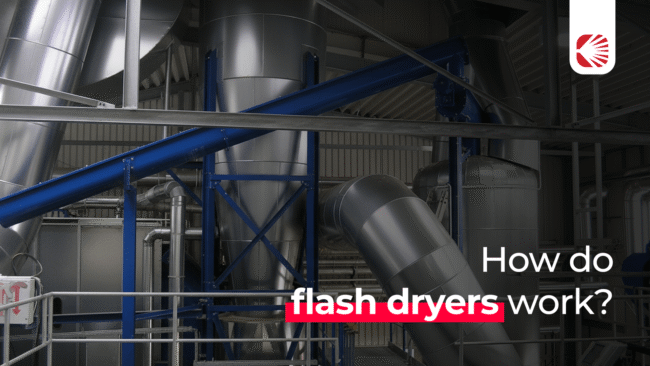
Flash drying is a specialized industrial process designed for the near-instantaneous removal of moisture from particulate materials. It relies on high-speed air streams to achieve results that traditional batch drying cannot match. Understanding flash dryer operation is a critical step for engineers evaluating thermal processing options among the broader category of Spray Dryer technology offerings. 
What is the spray drying method for nanoparticles

What is the spray drying method for nanoparticles?

The spray drying method for nanoparticles is a specialized technique that converts a liquid feed into solid, nano-sized particles through rapid atomization and evaporation. For researchers and engineers exploring spray-drying nanoparticles, this one-step process is an essential tool for creating advanced materials and efficient drug delivery systems. Utilizing high-performance Spray Dryers allows control over particle size and morphology during powder production.

What is a flash dryer

What is a flash dryer?

A flash dryer is a pneumatic system that evaporates surface moisture almost instantly by suspending solids in a high-velocity hot air stream. With a residence time typically measured in just seconds, the flash drying process supports rapid drying. This may help reduce the risk of thermal degradation under appropriate operating conditions. While often grouped with Spray Dryers, flash dryers are specifically optimized for particulates like filter cakes and minerals rather than liquid feeds.

What are the common hazards in spray drying

What are the common hazards in spray drying?

Spray drying is an essential manufacturing process used to transform liquid feeds into high-quality powders, yet it carries inherent risks that require careful management. For organizations utilizing spray dryers, understanding the primary operational and environmental risks is the first step toward maintaining a high-performance facility. By prioritizing spray drying safety, operators can prevent common issues ranging from product loss to significant equipment damage.