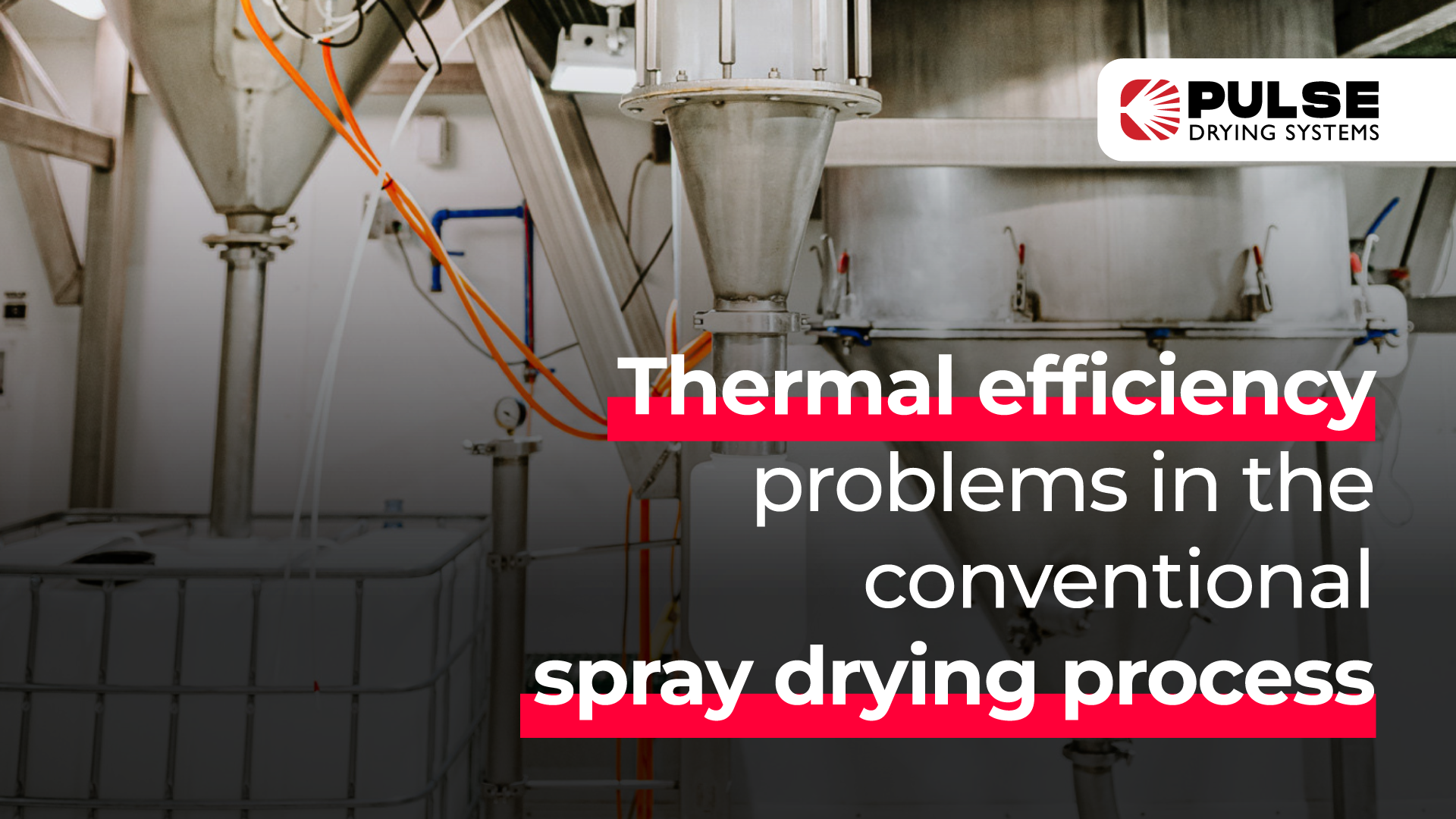
Thermal efficiency problems in the conventional spray drying process

Spray drying is recognized as one of the most energy-intensive unit operations in pharmaceutical, nutraceutical, and food processing facilities. While the technology has proven essential for producing stable, bioavailable powders, thermal efficiency in spray drying continues to challenge even the most optimized facilities. 

Understanding where and why energy is lost in conventional systems is the first step toward addressing what has become an issue as energy prices rise.

Details
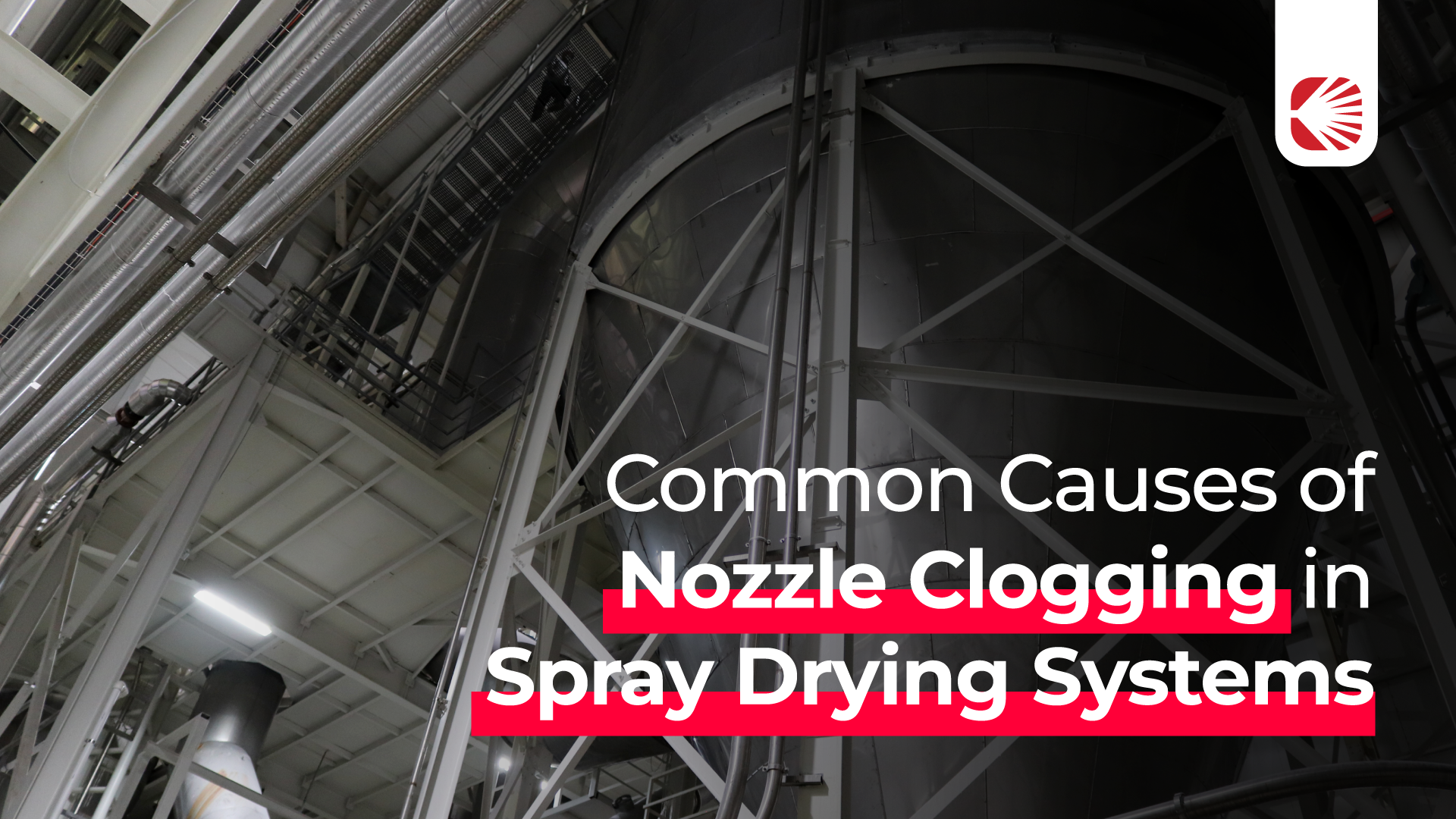
Common Causes of Nozzle Clogging in Spray Drying Systems

In conventional spray dryers, nozzle clogging can lead to production interruptions, unplanned cleaning, and lost time and product. Nozzle clogging is a persistent operational challenge in spray drying, affecting production efficiency and final product quality.

But what actually causes nozzle clogging in spray dryers? How can you prevent it? And are there better alternatives? In this article, we’ll explore the root causes of nozzle clogging, its operational impact, proven prevention strategies, and how alternative atomization technologies can eliminate this problem.

Details

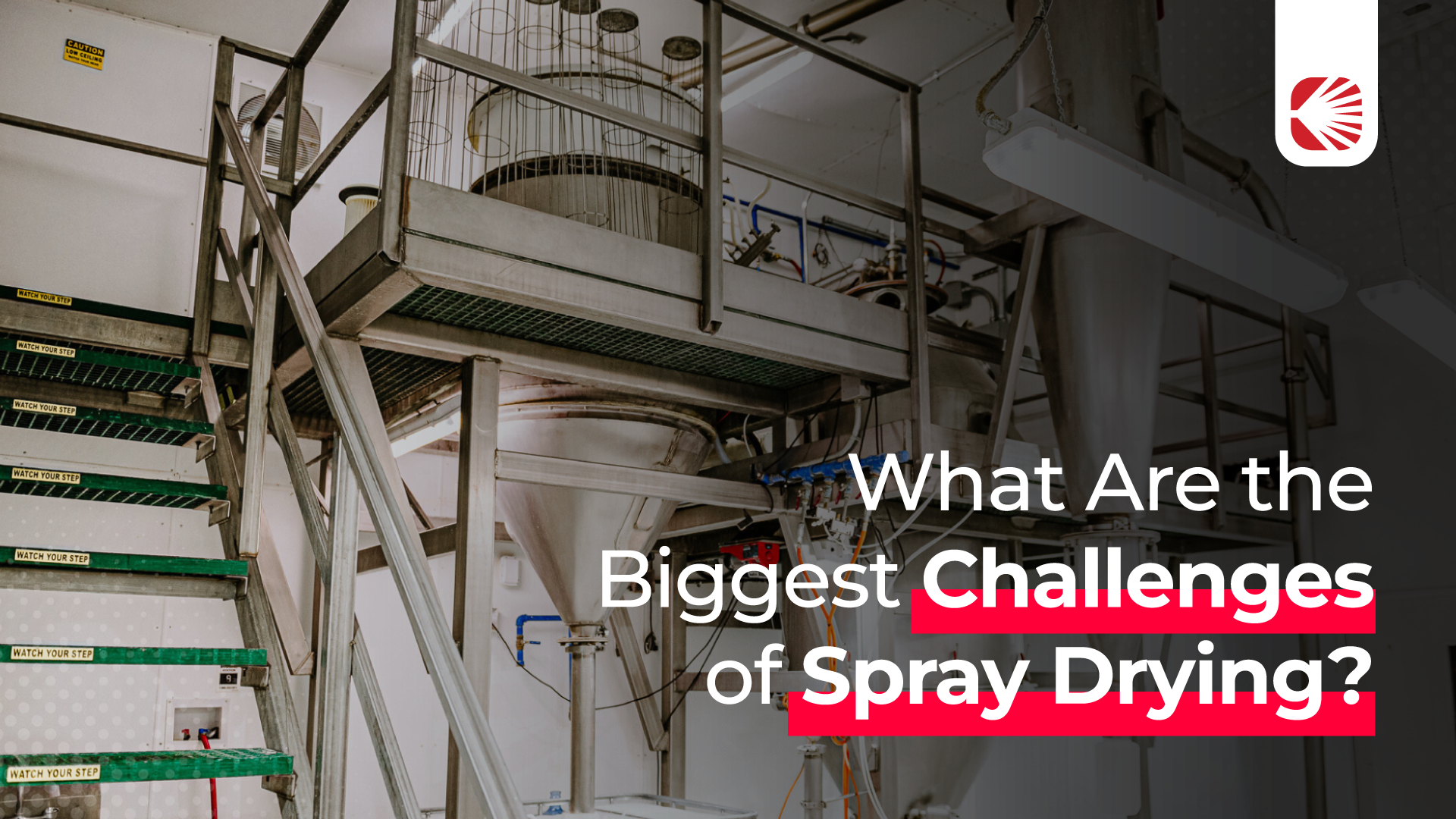
What Are the Biggest Challenges of Spray Drying?

In pharmaceutical and nutraceutical manufacturing, spray drying remains one of the most widely adopted techniques for transforming liquid formulations into stable powders. Yet spray drying challenges continue in production facilities, affecting product quality and operational costs. Understanding these common spray drying issues is essential for operations managers, process engineers, and formulation scientists.

What kinds of problems will occur during spray drying? They range from equipment failures and thermal degradation to particle inconsistency and economic losses. This analysis explores the fundamental problems with spray drying, examining why these challenges occur, their impact, and available solutions.

Details

What are the Challenges of Spray Drying?

Spray drying is a widely used drying process that transforms liquid materials into powder form, leveraging a hot gaseous medium, typically air, to evaporate moisture from atomized droplets. This technique is applied in various industries, including food, nutraceutical, pharmaceutical, and chemical manufacturing, for producing a range of products – from dietary supplements to pharmaceuticals, ceramics and detergents.

Details

What is the Temperature of Spray Drying?

Spray drying is a widely used industrial process for converting liquid feeds, such as solutions, slurries, or emulsions, into stable powders. Among all the variables that affect this process, temperature is the most critical, as it determines drying efficiency, product stability, and quality outcomes. Precise control of inlet and outlet air conditions ensures that powders are produced safely and consistently, even with heat-sensitive materials.

Details

Which is Better, Freeze Drying or Spray Drying?

Drying technologies play an essential role in preserving foods, pharmaceuticals, and other sensitive materials. Two widely utilized methods – freeze drying and spray drying -each offer distinct advantages and limitations. This article provides a focused comparison between these processes, examining their efficiency, equipment needs, and financial viability.  It identifies which method is most suitable for different applications, highlighting the value of advanced spray drying technology for achieving superior results.

Details

What is the Difference Between a Spray Dryer and a Fluidized Bed Dryer?

Understanding the distinctions between various drying technologies is essential for optimizing industrial processes. Here we will clarify the differences between spray dryers and fluidized bed dryers – along with related technologies like flash dryers and ring dryers – to help engineering and operations professionals select the most suitable solution for their specific needs.

Details

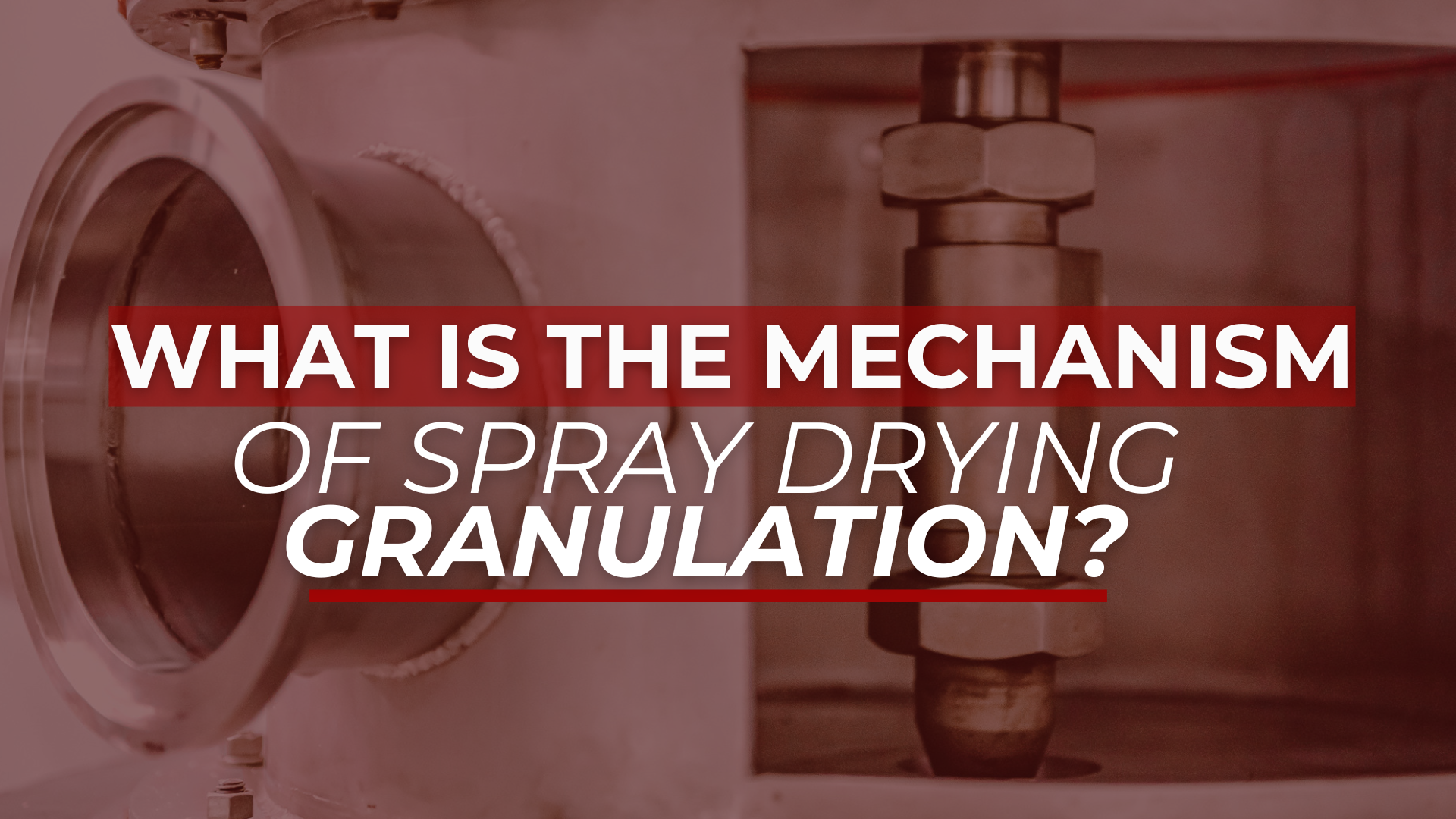
What is the Mechanism of Spray Drying Granulation?

Spray drying granulation is a sophisticated particle engineering process that merges drying and granulation into one continuous step. This integration enables industries such as pharmaceuticals, foods, and chemicals to produce free-flowing, uniform granules with greater efficiency. By combining the two operations, it streamlines material processing while ensuring consistency and quality in the final product.

Details