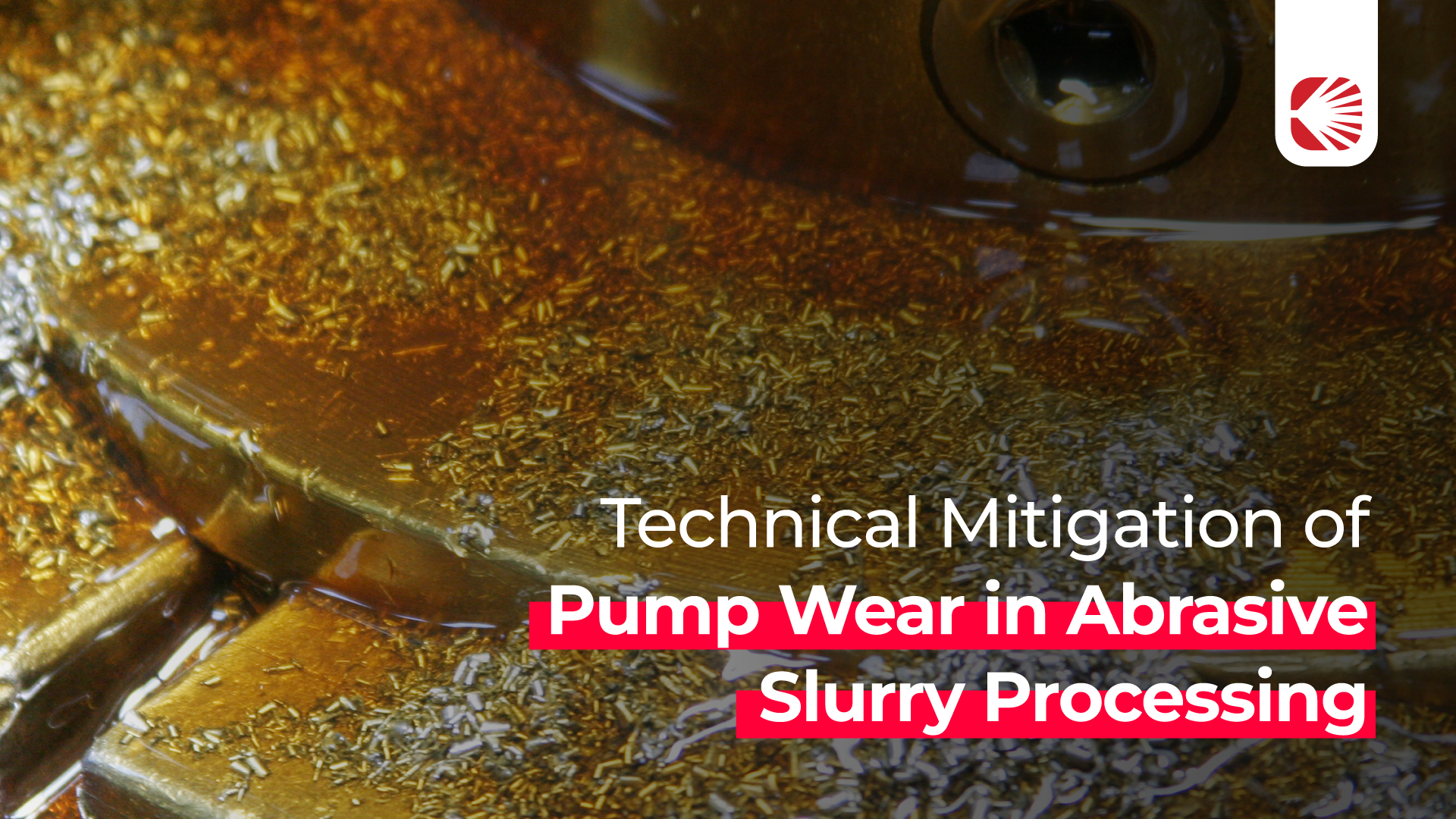
For process engineers handling minerals or ceramic slurries, pump and nozzle wear represent significant operational hurdles that often defy traditional correction. In conventional spray drying, the physics of the process require high-pressure pumps to force abrasive material through a restricted nozzle orifice, typically at pressures up to 5,000 psi. This high-velocity contact between abrasive particles and mechanical components makes erosion a physical inevitability.
The Limitation of Abrasion-Resistant Components
The standard industry response to this challenge is the implementation of more abrasion-resistant pump materials. While these specialized components are designed to extend the interval between overhauls, they primarily serve to delay failure rather than eliminate the underlying mechanism of wear. In rigorous applications, process engineers are often forced to choose between the high procurement cost of specialty alloys and the high labor costs associated with frequent pump rebuilds.
Low-Pressure Feed Systems and Gas-Dynamic Atomization
A fundamental engineering approach to mitigating pump damage involves changing the atomization mechanism to allow for low-pressure delivery. Pulse Atomization Spray Drying (PASD) utilizes gas-dynamic technology to achieve atomization at feed pressures of approximately 1 psi. By deriving atomization energy from a high-velocity gas stream rather than fluid pressure, the system can utilize a straight feed tube with no internal restrictions.
Key technical advantages of this low-pressure approach include:
- Reduced Mechanical Stress: PASD systems often utilize peristaltic pumps, where the abrasive slurry only contacts a replaceable plastic tube rather than precision-machined internal valves or seals.
- Erosion-Resistant Delivery: The use of an “open pipe” as an atomizer tube removes the high-pressure contact points that typically destroy conventional pressure nozzles.
- Viscosity and Solids Handling: This configuration allows the system to process viscous slurries up to 5,000 cP and higher-solids feeds up to 50%.
- Thermal Efficiency: Material is dried in sub-second residence times (0.5 to 1.0 seconds) while utilizing high inlet temperatures (700°F to over 1,000°F) to maintain high thermal efficiency.
Retrofitting and Process Reliability
For facilities operating traditional tall-form dryers, it is possible to mitigate high-pressure failure points by retrofitting the system with a gas-dynamic atomizer and a low-pressure feed pump. This transition fundamentally alters the maintenance profile of the drying operation, moving away from frequent mechanical overhauls toward a more stable production cycle.
Are you looking to reduce your annual maintenance spend on high-pressure pump overhauls? The most effective way to validate the longevity of a low-pressure system for your specific slurry is through empirical testing. Contact our technical team today to schedule a feasibility study for your abrasive material.