The fundamentals of spray drying, explained clearly. These articles cover how a spray dryer works, the stages of the process, the main types of atomizers and the operating conditions that shape the final powder. A starting point for engineers, formulators and buyers new to the technology.
In process engineering, the successful stabilization of heat-sensitive materials is fundamentally a challenge of managing the time and temperature history of the particles. The objective is to achieve efficient moisture removal while preventing the thermal denaturation or degradation of the final product. When evaluating drying technologies, engineers must weigh the duration of heat exposure against the operating temperature of the gas stream.
In the world of industrial spray drying, every manufacturer wants a “unicorn” product: a large, free-flowing particle with near-zero moisture that remains shelf-stable for years. However, the laws of thermodynamics dictate that none of these variables can be optimized without creating a trade-off with the others.
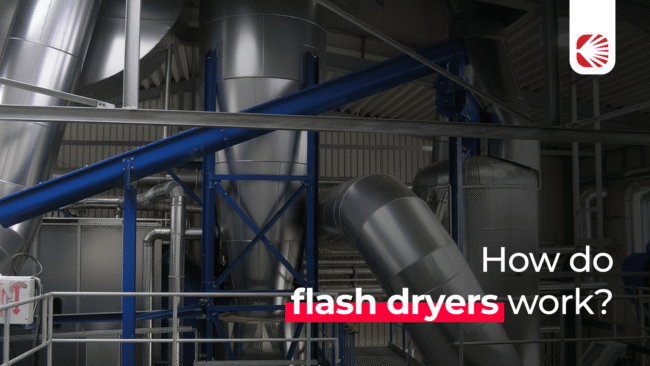
Flash drying is a specialized industrial process designed for the near-instantaneous removal of moisture from particulate materials. It relies on high-speed air streams to achieve results that traditional batch drying cannot match. Understanding flash dryer operation is a critical step for engineers evaluating thermal processing options among the broader category of Spray Dryer technology offerings.
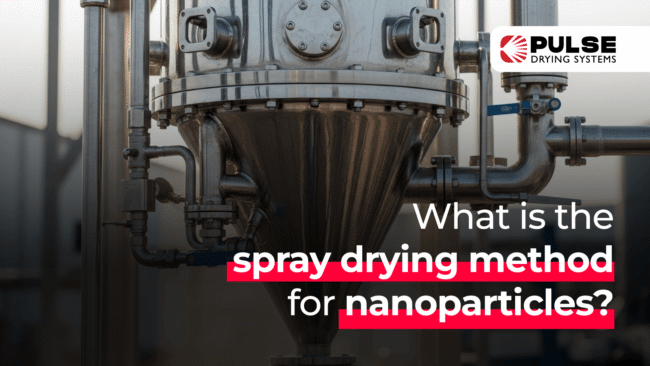
The spray drying method for nanoparticles is a specialized technique that converts a liquid feed into solid, nano-sized particles through rapid atomization and evaporation. For researchers and engineers exploring spray-drying nanoparticles, this one-step process is an essential tool for creating advanced materials and efficient drug delivery systems. Utilizing high-performance Spray Dryers allows control over particle size and morphology during powder production.
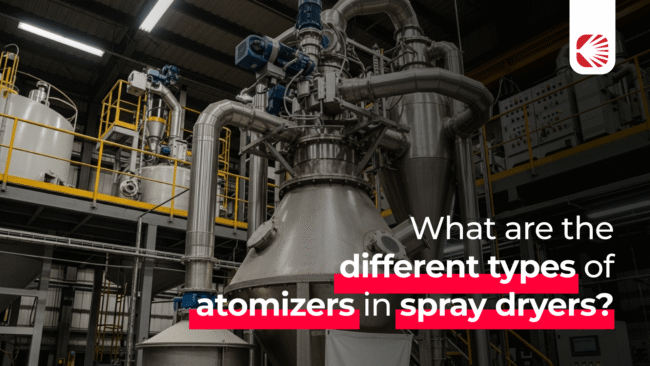
Atomization is the critical mechanical process that converts bulk liquid into a controlled “cloud” of fine droplets to provide the necessary surface area for rapid drying. Selecting the correct types of atomizers in spray dryers is the most significant technical decision in system design, as it dictates the efficiency of the entire operation.
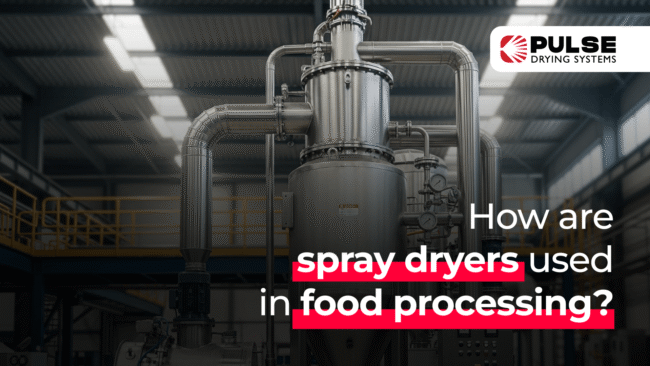
Spray dryers are fundamental to modern food manufacturing, serving as the primary method for turning liquid ingredients into high-quality, stable powders. Using spray drying in food processing enables manufacturers to preserve essential characteristics of sensitive materials while streamlining logistical operations for a global market.
A flash dryer is a pneumatic system that evaporates surface moisture almost instantly by suspending solids in a high-velocity hot air stream. With a residence time typically measured in just seconds, the flash drying process supports rapid drying. This may help reduce the risk of thermal degradation under appropriate operating conditions. While often grouped with Spray Dryers, flash dryers are specifically optimized for particulates like filter cakes and minerals rather than liquid feeds.
Spray drying is a rapid process used to convert liquid feeds into solid particles by atomizing them into a hot gas stream. Understanding the factors affecting spray drying is essential for any manufacturer looking to optimize production efficiency and product consistency.
The conversion of a liquid feed into a stable, high-quality powder is a complex operation that relies on four primary spray drying stages. This methodology is essential for the functionality of modern Spray Dryers, allowing manufacturers to transform solutions, suspensions, and emulsions into free-flowing particulates in a single, rapid step encompassing these stages.
Spray drying is an essential manufacturing process used to transform liquid feeds into high-quality powders, yet it carries inherent risks that require careful management. For organizations utilizing spray dryers, understanding the primary operational and environmental risks is the first step toward maintaining a high-performance facility. By prioritizing spray drying safety, operators can prevent common issues ranging from product loss to significant equipment damage.